
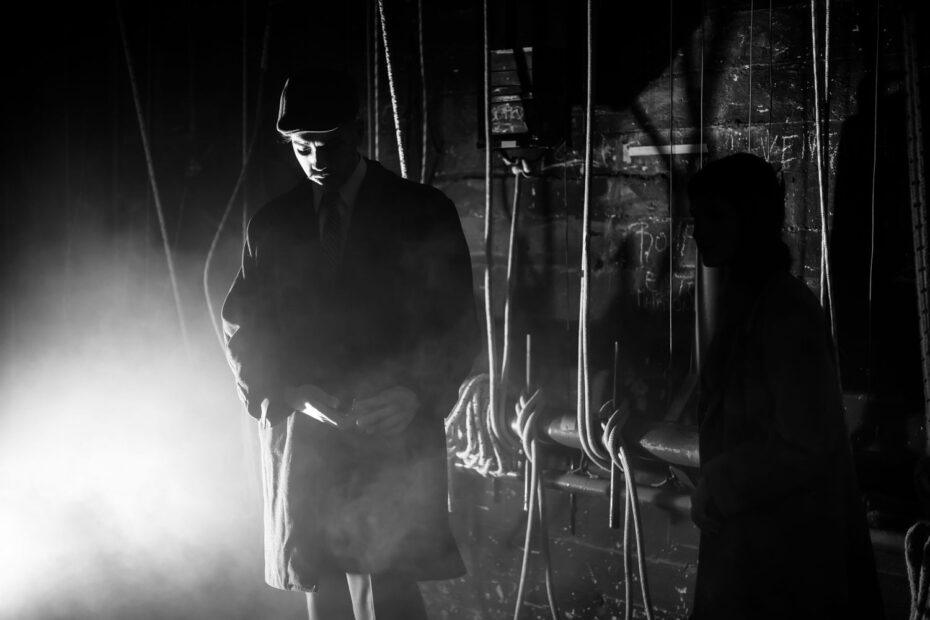
The Indispensable Role of Conflict in Romance
Romantic dramas thrive on the journey of two individuals finding and fighting for their love. While the chemistry between protagonists is paramount, the narrative's strength is often amplified by the presence of a formidable antagonist. This figure, whether a person, a societal force, or even an internal struggle, serves as the primary source of conflict, testing the bond of the central couple. Without these challenges, the love story might lack the depth and resonance that captivates audiences.
The power of a well-written antagonist in romantic dramas and their role in the love story is multifaceted. They are not merely plot devices; they are catalysts that reveal character, test commitment, and ultimately make the protagonists' eventual union feel earned and profoundly meaningful. In genres like fantasy and supernatural romance, where the stakes can involve destiny, ancient curses, or otherworldly threats, the antagonist's influence is often magnified, making their presence even more critical to the narrative's success.
Creating Tension and Stakes
A skilled antagonist introduces tension by actively working against the protagonists' happiness. In romantic dramas, this often translates to direct interference in the budding relationship. They might sow seeds of doubt, create misunderstandings, or present seemingly insurmountable barriers. For instance, a supernatural entity might seek to break a fated bond, or a rival suitor, perhaps with magical persuasion, might attempt to win over one of the main characters. This opposition forces the protagonists to confront external pressures and solidify their feelings for each other. The greater the threat, the more compelling the audience's investment in the couple's survival and happiness becomes.
The concept of 'forbidden love' is a common trope where antagonists, or the circumstances they represent, are key. Whether it's a curse, a blood feud, or societal disapproval personified by a villainous character, these elements raise the stakes considerably. The audience roots harder for the couple when their love is not just a matter of preference but a battle against powerful forces. This is particularly evident in fantasy romances, where love might defy magical laws or challenge ancient prophecies, with an antagonist often embodying the opposition to such a union.
Revealing Character Through Opposition
Beyond creating external conflict, antagonists serve a vital function in character development. The way protagonists react to adversity, particularly when orchestrated by an antagonist, reveals their true nature. Do they falter and give up, or do they show resilience, courage, and unwavering devotion? An antagonist can push a character to discover strengths they never knew they possessed. In supernatural romantic dramas, a character might have to confront their own latent magical abilities or overcome deep-seated fears when faced with a powerful foe threatening their beloved.
Furthermore, antagonists can highlight the unique qualities that draw the protagonists together. By presenting contrasting values or opposing desires, the antagonist implicitly underscores what makes the central couple compatible. Their actions can inadvertently demonstrate the protagonist's kindness, loyalty, or determination, traits that are essential to the romance. The presence of a villainous rival, for example, can make the protagonist's genuine affection shine even brighter in comparison.
The Unsung Heroes of the Love Story
While the spotlight is always on the lovers, the antagonist is often the engine driving the narrative forward. They provide the necessary friction that polishes the protagonists' love into something enduring and precious. A well-crafted antagonist is not simply evil; they often have motivations, perhaps twisted or misguided, that make them compelling figures in their own right. This complexity adds layers to the story, making the eventual triumph of love feel more significant and satisfying.
In the landscape of romantic dramas, especially those venturing into fantasy and supernatural realms, the antagonist is far from an impediment. They are an integral component, essential for building dramatic tension, deepening character arcs, and ultimately celebrating the power of connection. Their presence ensures that the love story is not just a gentle unfolding of affection, but a hard-won, epic tale that resonates long after the final scene.