
Visual Storytelling: The Foundation of Romantic Immersion
Historical dramas possess a unique capacity to transport audiences to bygone eras, and a significant part of this magic lies in their visual presentation. The meticulous recreation of period costumes and settings is not merely decorative; it is a fundamental element that shapes the very essence of the narrative, particularly its romantic undercurrents. These visual cues work in concert to establish a believable world, allowing the audience to suspend disbelief and become fully invested in the characters' emotional journeys.
Costumes as Character and Connection
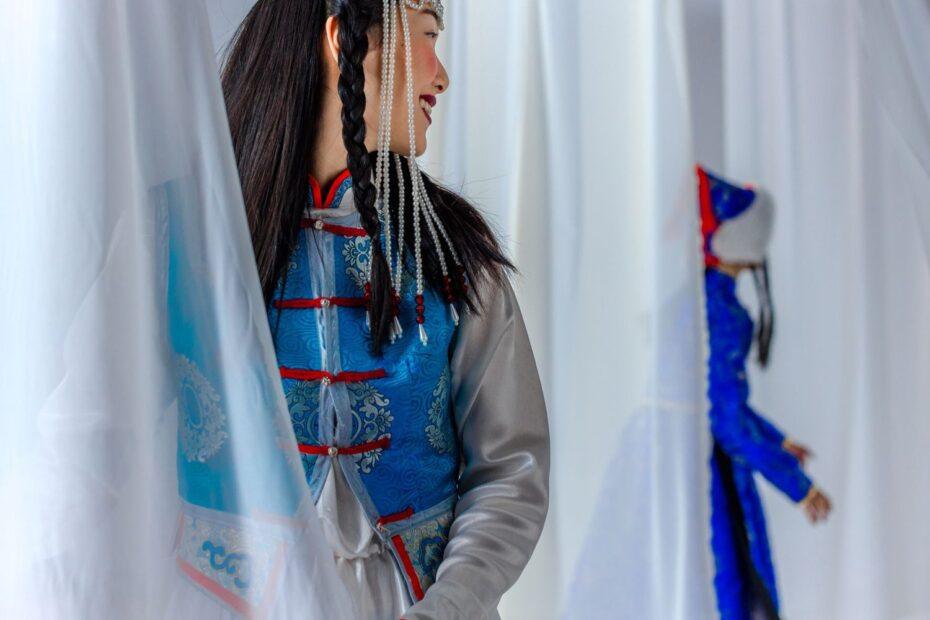
The attire worn by characters in historical dramas serves as a powerful narrative tool. Elaborate gowns, tailored suits, and specific fabric choices immediately signal social status, personality, and the prevailing customs of the time. For instance, the restrictive corsetry and voluminous skirts of a Regency-era drama might visually represent societal constraints on women, making a stolen glance or a clandestine meeting all the more potent. Conversely, a more relaxed, flowing garment might suggest freedom or a departure from convention. When two characters' costumes complement each other or contrast in meaningful ways, it can subtly underscore their connection or burgeoning attraction. The way a character moves in their costume, the rustle of silk, or the proud bearing in a uniform all contribute to the romantic tension. The visual harmony or discord in their dress can mirror the state of their relationship, enhancing the overall romantic atmosphere of historical dramas.
Settings: The Stage for Love's Unfolding
Equally crucial is the environment in which these characters interact. Grand ballrooms, secluded gardens, opulent drawing-rooms, or even humble cottages are carefully chosen and designed to evoke the specific historical period and mood. A sweeping ballroom, filled with flickering candlelight and elegantly dressed couples, provides a public stage for private emotions to play out, often leading to dramatic encounters or public displays of affection that are nevertheless charged with personal significance. A quiet, moonlit garden can become a sanctuary for whispered confessions and tender moments, its natural beauty amplifying the intimacy of the scene. The architectural details, the era-appropriate furnishings, and the very atmosphere of the setting contribute to the emotional landscape. These carefully constructed environments are not just backdrops; they are active participants in the romance, influencing character interactions and deepening the romantic atmosphere of historical dramas by providing opportunities for both grand gestures and subtle intimacies.
Bridging Time and Emotion
The synergy between authentic costumes and immersive settings creates a palpable sense of time and place that is essential for romantic narratives. This visual authenticity allows audiences to connect with characters on a deeper level, understanding the societal norms that might impede or encourage their love. The visual language of historical dramas, through its costumes and settings, helps to bridge the temporal gap between the viewer and the story, making the emotions and desires of characters from the past feel relatable and compelling. When executed with skill, these elements transform a historical setting into a fertile ground for love stories, proving that the past, when vividly rendered, can be a profoundly romantic place.
Related reading