
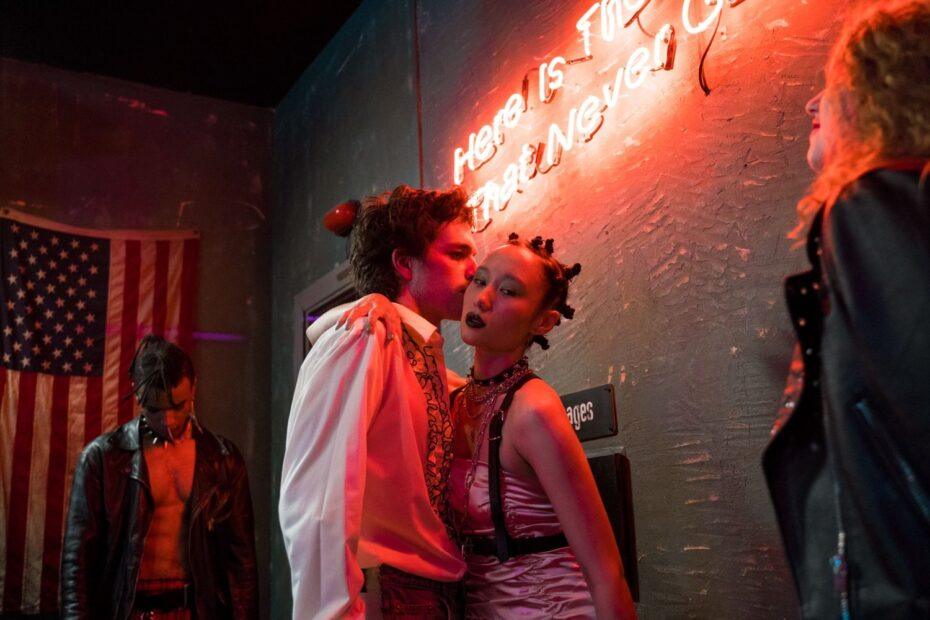
The Irresistible Spark of Conflict
The landscape of romantic storytelling is vast and varied, yet few narrative arcs possess the enduring magnetic pull of the enemies-to-lovers trope. Within the genre of romantic dramas, this dynamic offers a potent blend of conflict, tension, and eventual catharsis that resonates deeply with audiences. It is a journey from animosity to affection, a transformation that feels earned and intensely satisfying because it is built on a foundation of opposition. The core appeal lies in witnessing the gradual dismantling of barriers, the slow recognition of shared humanity beneath layers of prejudice or rivalry, and the eventual blooming of love from the most unlikely of grounds.
Understanding the Core Appeal
At its heart, the enemies-to-lovers dynamic thrives on inherent dramatic tension. When characters begin as adversaries, their interactions are charged with potential. Every argument, every clash of wills, is imbued with a subtext that hints at the passion simmering beneath the surface. This friction is not merely about disagreement; it is often a proxy for unspoken attraction, where sharp words and pointed glances become a coded language of burgeoning desire. The inherent conflict provides a fertile ground for character development, forcing individuals to confront their own biases and assumptions as they are repeatedly challenged by the very person they claim to dislike.
The Psychology of Attraction
Several psychological factors contribute to the popularity of enemies-to-lovers romantic dramas. The concept of forbidden attraction plays a significant role; the very act of being told or believing one should not be attracted to someone can, paradoxically, heighten that attraction. Furthermore, the trope often explores themes of vulnerability and trust. For characters who start from a place of distrust, the gradual process of opening up and allowing themselves to be seen, flaws and all, by their former antagonist is a powerful narrative arc. This journey towards vulnerability requires immense courage and signifies a profound shift, making the eventual emotional connection feel all the more profound and authentic. The intensity of their initial dislike often mirrors the intensity of their eventual love, suggesting that the stakes were always higher.
Narrative Structure and Chemistry
The success of these dramas hinges on skillful narrative construction and palpable chemistry between the leads. Writers must carefully orchestrate the progression from antagonism to affection, ensuring that the transition feels organic rather than abrupt. This often involves shared experiences that force protagonists to see each other in new lights, moments of unexpected kindness that chip away at their animosity, or situations where they must rely on each other for survival or success. The on-screen chemistry is paramount; the actors must convey the simmering tension, the reluctant admiration, and the undeniable pull that draws their characters together. Without this spark, the trope can fall flat, appearing contrived rather than compelling. The best enemies-to-lovers stories allow audiences to witness the raw, unvarnished process of two people discovering that their greatest opposition might just be their most fitting partner.
Evolution and Modern Interpretations
While the enemies-to-lovers trope has roots in classic literature and storytelling, its modern interpretations in romantic dramas continue to evolve. Contemporary narratives often explore more nuanced reasons for initial conflict, moving beyond simple misunderstandings to delve into complex social dynamics, professional rivalries, or deeply ingrained personal histories. These updated takes ensure the trope remains fresh and relevant, reflecting contemporary societal issues while retaining the core elements that make it so appealing: the thrill of the chase, the satisfaction of overcoming obstacles, and the ultimate triumph of love against all odds. The enduring appeal of enemies-to-lovers romantic dramas lies in their ability to tap into a universal human experience: the unexpected discovery of profound connection in the most adversarial of circumstances.